

“I think that I shall never see
A poem as lovely as a tree."
— Joyce Kilmer, Trees (1913)
Trees help shape the North York Moors. They anchor valleys, trace old boundaries and hold an astonishing amount of life in their branches and roots. National Tree Week invites us to step back from the rush of the everyday and spend a little time with the species that define our landscape. To mark the week, our Woodland Creation Team selected nine trees that offer a wonderful overview of the species that thrive in the National Park, each with its own character, history and place in the landscape.
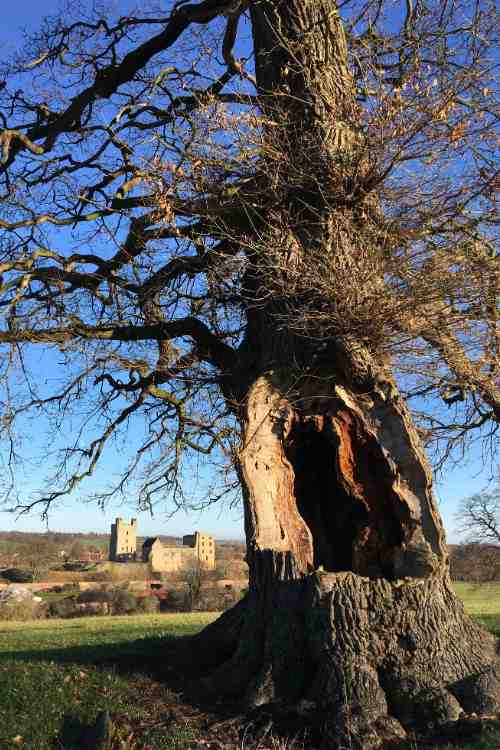

The oak is a fixture in myth across Europe, appearing in classical texts as the tree of Zeus and in Celtic tradition as a symbol of Dagda. Roman writers describe Druids gathering mistletoe from its boughs, something echoed in British folklore. The weight of these stories sits comfortably with the tree’s biology, some oaks enduring for a thousand years. Our Woodland Creation Team works with that timescale in mind, collecting acorns from established trees so the next generation can begin with strong local stock.
In contrast to the stillness of oak, aspens rarely rest. Their leaf stalks flex at the slightest movement, creating the shimmer that danced them into European literature, appearing as Shakespeare’s trembling aspens in Titus Andronicus as well as in Alfred Lord Tennyson’s The Lady of Shalott. Underground, they push out new shoots that grow into genetically identical trees creating a remarkable familial colony.
Ash has its own deep place in northern stories. In Norse myth, Yggdrasil, the world tree, is often depicted as an ash, with roots and branches tying realms together. In our own woods, ash takes a more down-to-earth but still essential role, creating light canopies that allow flowers to thrive below. Ash Dieback Disease has placed pressure on the species, yet many trees are showing resilience and adapting, and it is encouraging to see fresh growth where decline once seemed fixed.
Juniper, one of the UK’s three native conifers, has been valued since medieval times for its fragrant wood and aromatic cones, used to flavour gin. It shelters birds and invertebrates and its recent recovery in the National Park, from around eighty individual shrubs to more than a thousand, is the result of long, steady conservation work including planting by local school groups.
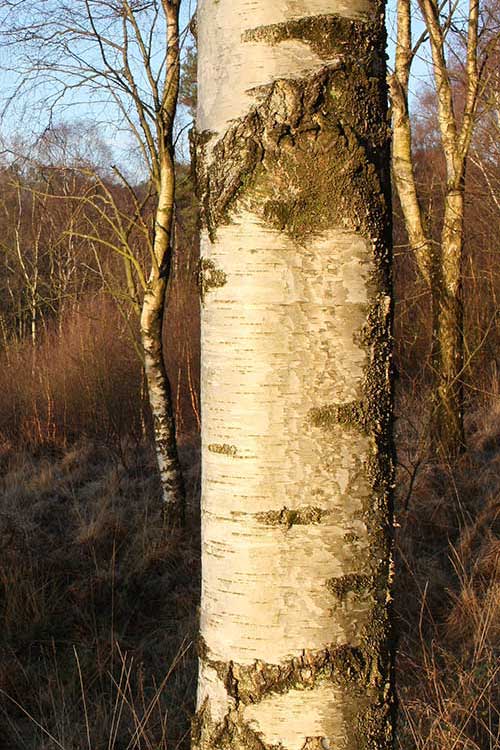
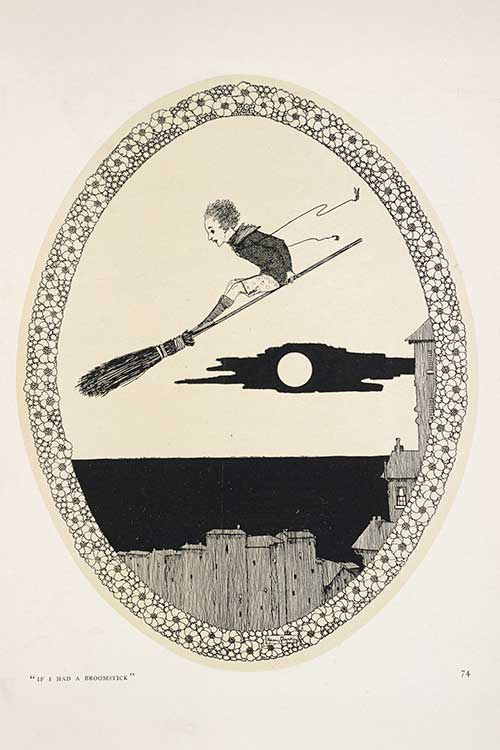
Across northern Europe the silver birch is often the first tree to settle after disturbance. Its branches once served as besom broom material, a tool woven into centuries of rural and folkloric life.
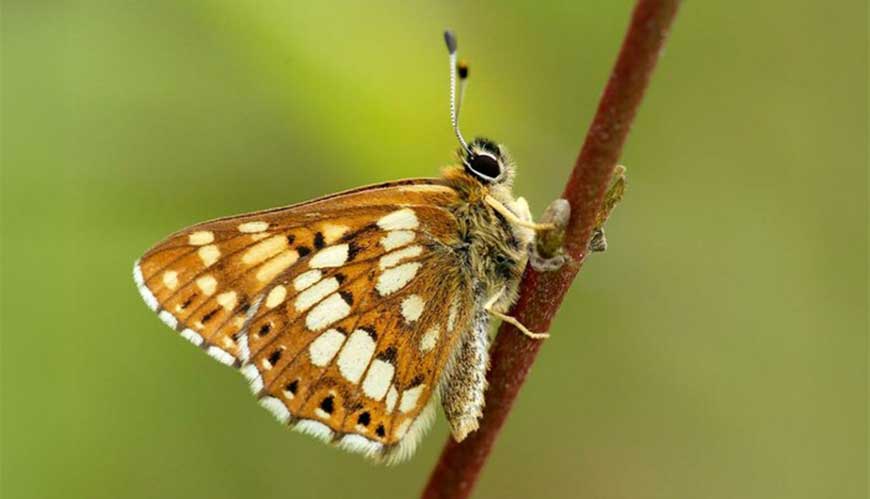
Hazel has been coppiced for generations and could be something humans learnt watching the activity of beavers. This year has produced enough nuts for our team to gather a new supply of local-provenance seed, a rarity when squirrels usually win the race. Well-managed hazel woods support a wealth of wildlife including the Duke of Burgundy butterfly.
Crab apples enrich open woodland with nectar, pollen and fruit. Winter thrushes gather beneath them and nearly a hundred insect species depend on their leaves. Their tart juice became medieval “verjuice”, an essential souring agent long before lemons were common and later prized for setting jams.
Rowan, once known as the “wizard’s tree” in Celtic tradition, thrives in a wide variety of places - thin upland soils, moorland edges, pavements and even supermarket car parks. Its spring blossom and autumn berries attract thrushes and waxwings, and its toughness has kept it a favourite in folklore for centuries.
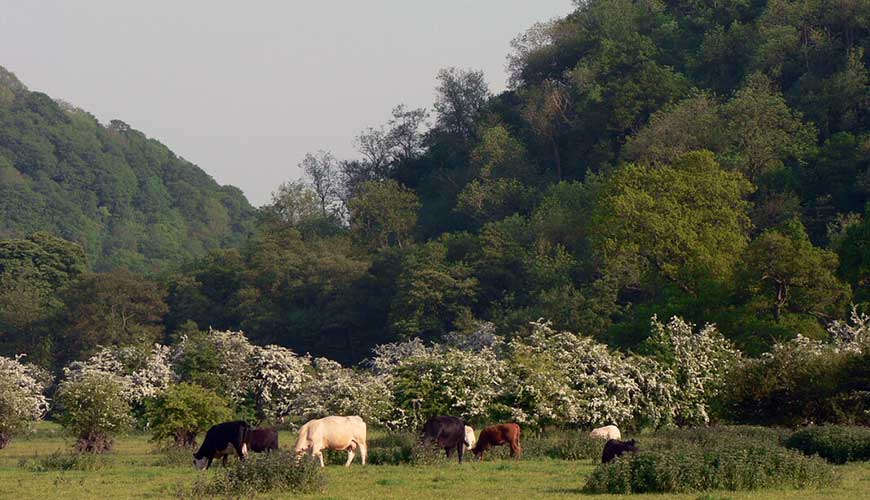
Hawthorn, called Maybush in many old accounts, has shaped the British countryside with its thorny, tightly knit branches. Shakespeare noted its May blossom and farmers relied on it for stockproof hedges, something its strength and density still make possible.
These trees stand where they always have, yet our understanding of them changes with each season. Their stories stretch through history and myth, and their future rests in careful, practical work rooted in the landscapes they continue to shape.
The woodland creation team at the North York Moors National Park Authority works to establish new native trees across the National Park. The work is funded through a S106 agreement with Woodsmith Mine.